When we look across the world of distilled spirits — whisky, rum, brandy, and beyond — one of the most distinctive and unusual aspects of shochu is its use of koji mold.
Among the many processes involved in shochu production, there are countless distillers who devote extraordinary care and attention to cultivating koji. That is because koji represents a crucial first step — a foundational element that profoundly influences the character and quality of the final spirit.
It is also often said that aged shochu possesses a certain roundness and softness that can only come from koji. To fully appreciate aged shochu, we must first deepen our understanding of this remarkable microorganism that lies at its core.
Alcohol Born from the Work of Mold
To begin with, koji is grain — typically rice or barley — that has been inoculated with koji mold, a specific type of fungus known in Japan as koji-kin.
The enzymes produced by this mold break down the starches contained in rice or barley into sugars — a process known as saccharification. These sugars then serve as food for yeast, which in turn produces carbon dioxide and alcohol through fermentation.
Japan’s warm and humid climate provides an ideal environment for mold to thrive. It is no coincidence, then, that the country has developed a rich culture of fermented foods that rely on microorganisms — such as natto, miso, and soy sauce. The same environmental and cultural conditions that fostered those traditions also underpin the production of shochu.
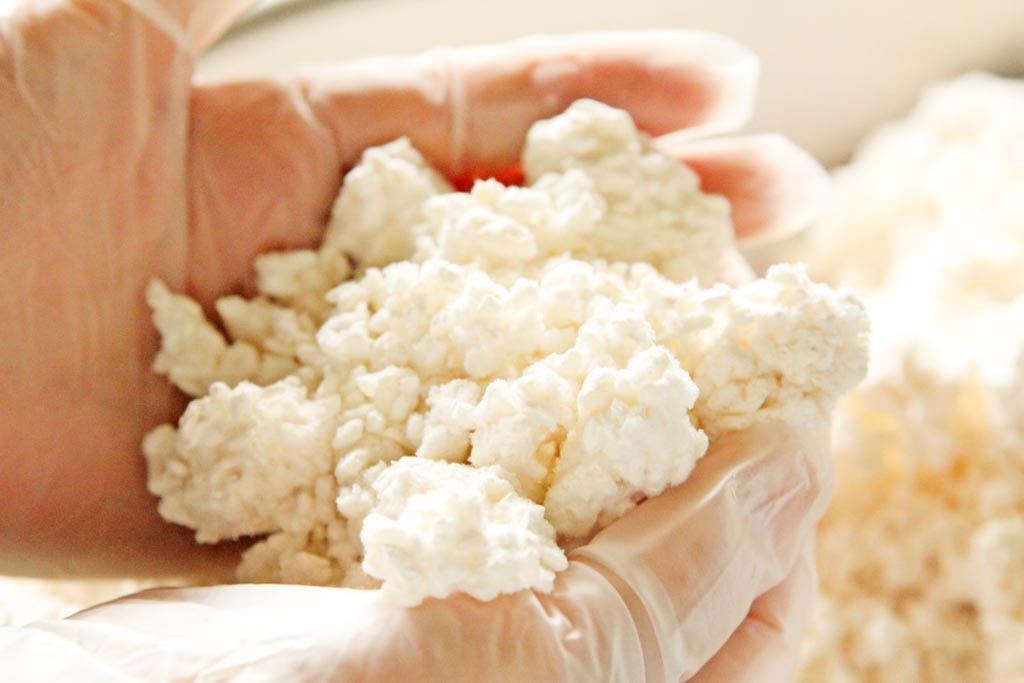
Now, let’s turn to the process of making koji itself — known as seigiku (koji cultivation).
First, the base ingredient — rice or barley — is steamed. Starter spores (tane-koji) are then sprinkled over the grains, allowing the koji mold to propagate. It takes approximately 40 to 42 hours from inoculation for fully developed koji to emerge.
There are several methods of koji cultivation. The traditional futa-koji method uses small trays called koji-buta. Another technique, toko-koji, involves carrying out all operations directly on a floor surface without trays. More commonly today, many distilleries rely on mechanical systems that regulate temperature, humidity, and mold growth in semi-automated or fully automated environments.
While the choice of method ultimately depends on the distillery, most shochu producers today use mechanical cultivation. In sake brewing, it is still relatively common to make koji by hand inside a dedicated koji-muro (koji room). In shochu production, however, this traditional approach survives at only a handful of distilleries.
Among them are the Kuma shochu producers of Kumamoto Prefecture, including Jufuku Shuzo, known for its rice shochu Musha Gaeshi, as well as Nakamura Shuzojyo of Kagoshima Prefecture, producer of the sweet potato shochu Nakamura. These distilleries maintain their own koji rooms and cultivate koji by hand under intensely hot and humid conditions.
For roughly four months of the year — during the peak production season — precise control of temperature and humidity is absolutely critical. The toji (master distiller) often stays by the koji’s side through the night, tending to it as if caring for a child. It is a process that truly tests the skill and intuition of the craftsperson.
Yellow, Black, and White: A Refresher on the Three Fundamental Types of Koji

Have you ever noticed the words “yellow koji,” “white koji,” or “black koji” written on a bottle of shochu?
These terms actually refer to the color of the spores of the koji mold itself. What makes this especially fascinating is that each color — yellow, white, and black — produces a distinctly different flavor profile in the finished spirit.
A well-known example can be found in the sweet potato honkaku shochu Sato Kuro and Sato Shiro. As their names suggest, the former uses black koji, while the latter uses white koji. The striking difference in their flavor is largely the result of the type of koji employed — a fact that surprises many people.
Each variety of koji possesses its own unique characteristics, as outlined below.
Yellow Koji — The Refined Strain Also Used in Sake Brewing
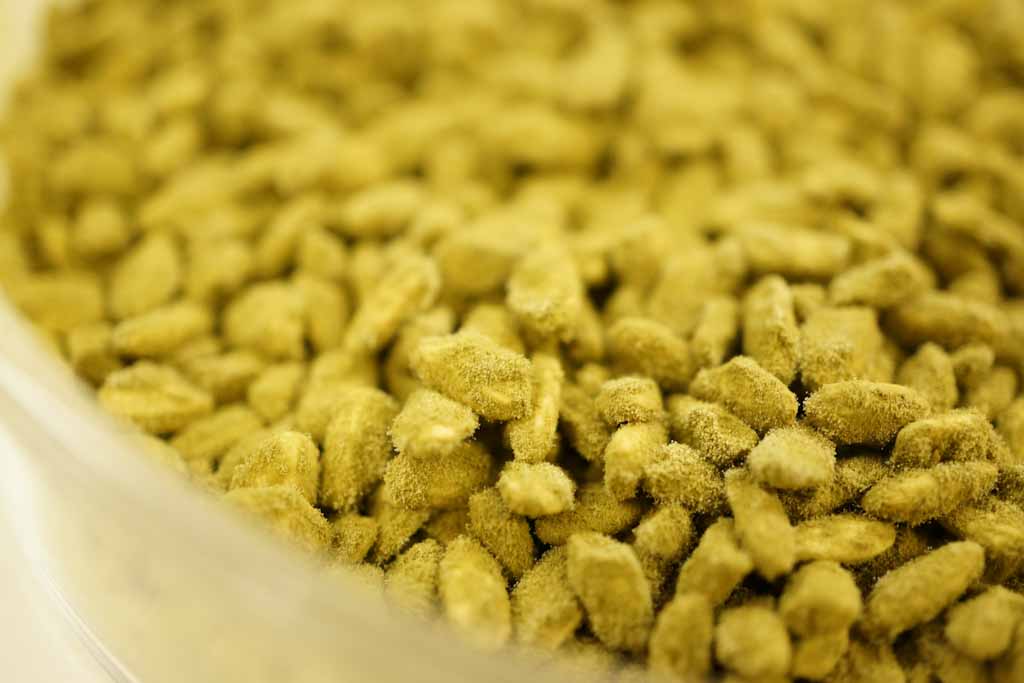
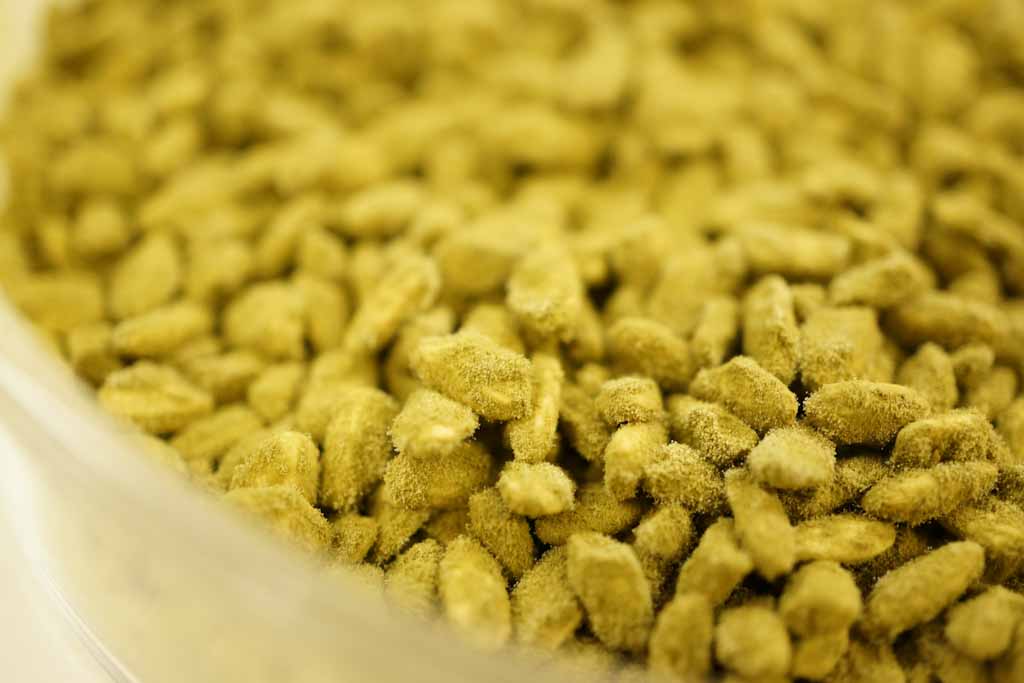
From roughly 500 years ago through the Meiji period, the koji used in shochu production was primarily yellow koji — the same strain employed in sake, miso, and soy sauce making.
However, yellow koji does not produce citric acid, which helps prevent spoilage. In the warm climate of Kyushu, this posed a significant challenge, as the mash was more susceptible to contamination. When black and white koji — both of which produce citric acid — were introduced, they gradually became the dominant strains in shochu production.
In recent years, however, yellow koji has experienced a revival. Advances in technology and equipment have made sanitation and temperature control far more reliable, reducing the risks that once limited its use. As a result, yellow koji–based shochu is once again attracting attention.
Shochu made with yellow koji is typically clear and refined in character, often displaying fruity, ginjo-like aromatics reminiscent of sake — a profile that has gained considerable popularity.
Notable Shochu Made with Yellow Koji
- Gabai Kiiro Koji Jikomi — Tenzan Shuzo (Saga Prefecture)
- Torikai — Torikai Shuzo (Kumamoto Prefecture)
- Tomino Hozan — Nishi Shuzo (Kagoshima Prefecture)
- Umi — Taikai Shuzo (Kagoshima Prefecture)
- Maeda Riemon — Ibusuki Shuzo (Kagoshima Prefecture) etc.
Black Koji — The Strain That Made Shochu Production Possible in Hot, Humid Climates

Black koji was developed in 1910 as a successor to yellow koji. The breakthrough is credited to Genichiro Kawachi, a pioneering researcher often referred to as the “father of modern shochu.”
Kawachi turned his attention to Ryukyu awamori, which was being produced in Okinawa under hot and humid conditions. By isolating spores from the koji used in awamori production, he successfully separated and cultivated what became known as black koji.
Black koji produces a high level of citric acid, which protects the mash from spoilage even in warm temperatures. This innovation made it far easier to produce shochu in the warm regions of southern Kyushu and beyond.
That said, the work was not without hardship. It is often said that black koji spores would accumulate so heavily that brewery workers’ nasal passages turned black, and allergic reactions were common — a testament to the physical demands of the craft in earlier days.
Shochu made with black koji is known for its deep richness and robust aroma. Bottles bearing the word “kuro” (black) in their names often enjoy enduring popularity for their bold, full-bodied character.
Notable Shochu Made with Black Koji
- Shouro Kuro Koji Jikomi — Shouro Shuzo (Miyazaki Prefecture)
- Mannen Kuro Koji — Watanabe Shuzojyo (Miyazaki Prefecture)
- Kuro Isa Nishiki — Oguchi Shuzo (Kagoshima Prefecture)
- Kuro Shiranami — Satsuma Shuzo (Kagoshima Prefecture) etc.
White Koji — Gentle, Rounded, and Smooth on the Palate
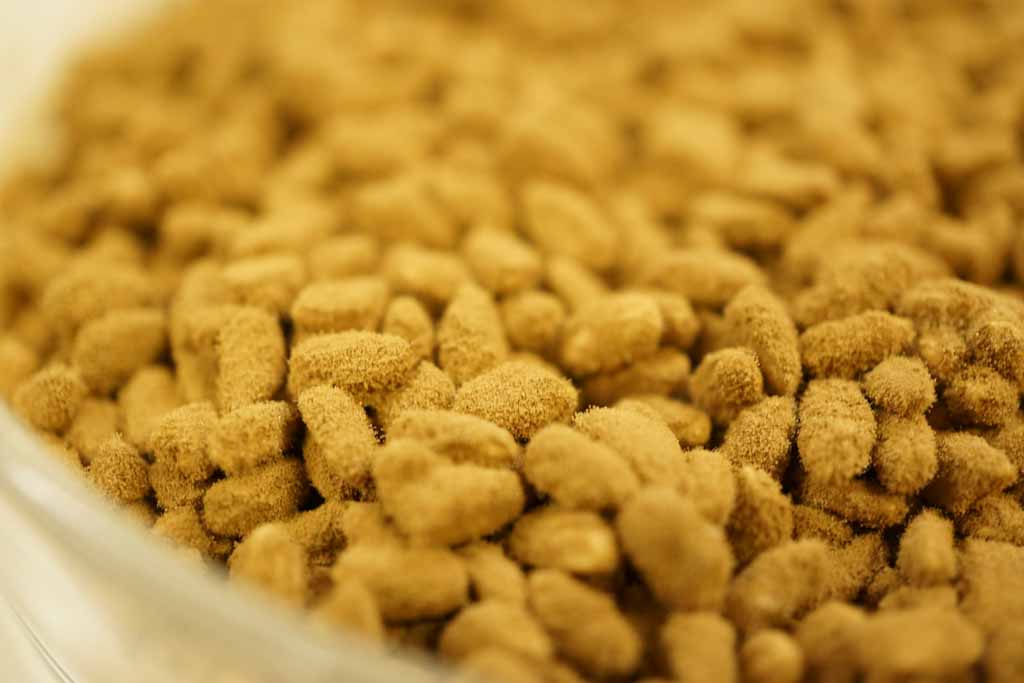
White koji was born when Genichiro Kawachi discovered a pale mutation that had spontaneously appeared among black koji cultures. He isolated it through pure cultivation and named it “white koji.”
In fact, white koji is an albino variant of black koji. Like black koji, it produces a significant amount of citric acid, helping to prevent bacterial contamination. At the same time, it is known for having even stronger saccharification power than black koji — efficiently converting starches into sugars.
Shochu made with white koji tends to be gentle, rounded, and smooth in character. Its approachable flavor profile quickly propelled it to prominence, and it soon became a mainstream strain alongside black koji.
Notable Shochu Made with White Koji
- Yamaneko — Kuroki Honten (Miyazaki Prefecture)
- Hakutake Shiro — Takahashi Shuzo (Kumamoto Prefecture)
- Kawabe — Sengetsu Shuzo (Kumamoto Prefecture)
- Moriizo — Moriizo Shuzo (Kagoshima Prefecture)
- Mitake — Mitake Shuzo (Kagoshima Prefecture) etc.
For those who have never really considered the differences between types of koji, this is an invitation to take a closer look. Check what kind of koji is used in your favorite bottle of shochu.
You may discover that what you truly enjoy is the flavor created by a particular strain of koji — or that even when the base ingredient is the same, your preferences shift dramatically depending on the koji used.
Why not take a small step deeper into the path of shochu — and start exploring it through the lens of koji?